

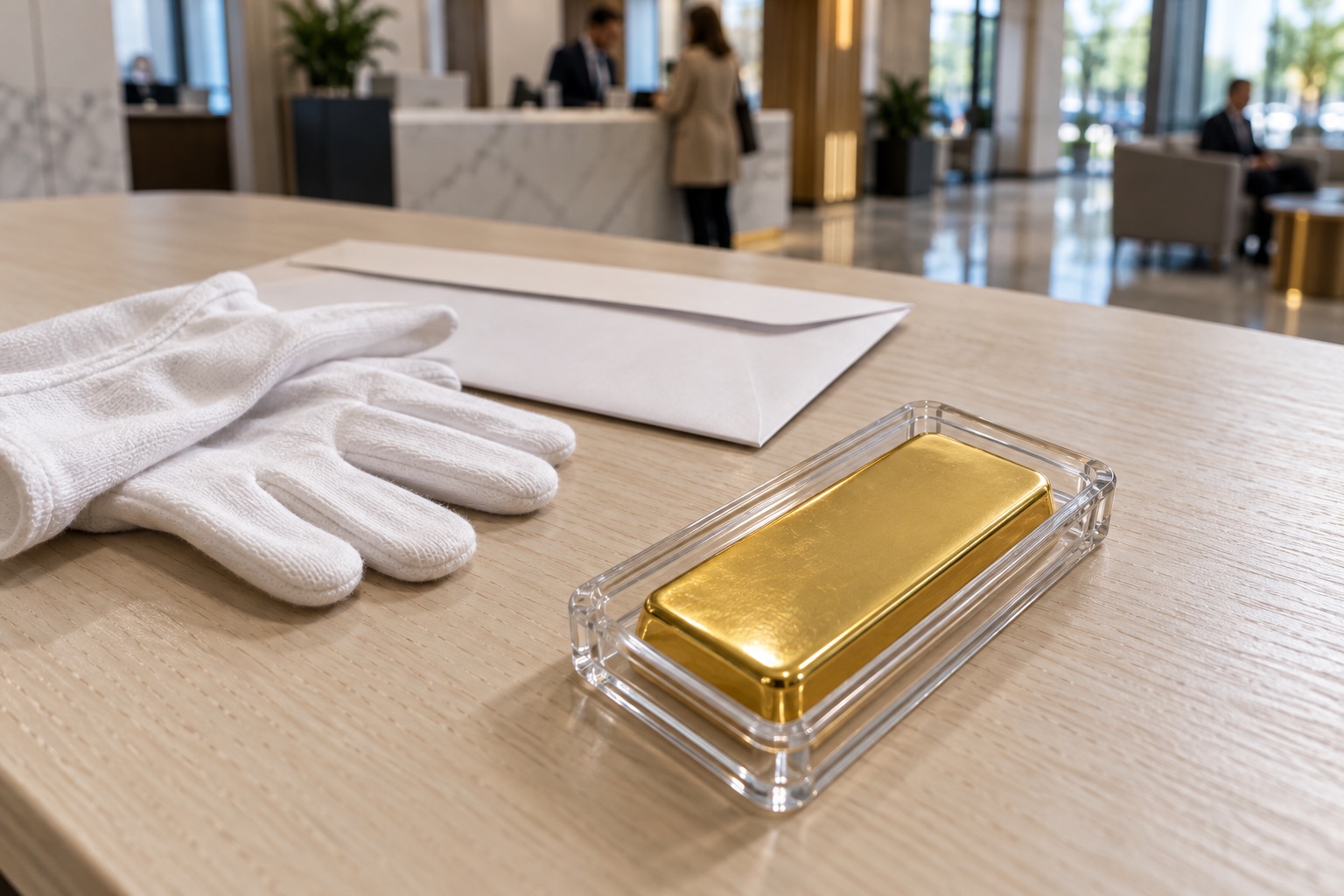
TD’s gold bars have put precious metals in front of everyday Canadians in a way few things have. Seeing gold listed alongside familiar banking products makes buying feel safe and simple. But “simple” and “best value” aren’t always the same thing, and with gold the gap shows up in the premium you pay.
If you’re considering bank gold bars, it’s worth understanding exactly what you’re buying, what it costs above the spot price, and how the same metal compares when bought from a dedicated dealer. Here’s an honest breakdown.
What TD Actually Sells
TD offers physical gold bars, typically produced by recognized refiners, in a range of sizes from fractional weights up to one ounce and beyond. The metal itself is genuine investment-grade gold, usually 99.99% pure, the same purity standard you’d expect from any reputable source.
The appeal is trust and convenience. You’re dealing with a name you already bank with, and the buying process feels routine. For first-time buyers nervous about the precious metals world, that comfort has real value.
The Premium Is Where It Counts
Gold trades at a global spot price, but you never pay exactly spot. Every seller adds a premium to cover refining, distribution, and margin. The size of that premium is the single biggest factor in what your gold really costs, and it’s where bank bars and dealer bars diverge.
Bank convenience tends to carry a higher premium. You’re paying partly for the brand and the retail setting. A dedicated dealer, focused solely on bullion, typically prices the same metal tighter because precious metals are the entire business, not a side product.
| Factor | Bank gold bars | Dedicated dealer |
|---|---|---|
| Metal purity | Investment grade (99.99%) | Investment grade (99.99%) |
| Premium over spot | Often higher | Typically tighter |
| Product range | Limited selection | Wide range of sizes & mints |
| Buyback / resale | Often limited or none | Active buyback |
| Specialist guidance | General staff | Precious metals experts |
The Resale Question Most Buyers Miss
Buying gold is only half the journey; one day you may want to sell. This is where bank purchases can disappoint. Banks that sell gold don’t always buy it back, which can leave you hunting for a buyer when the time comes.
A dedicated dealer typically offers an active buyback, meaning the same business that sold you the metal will quote to purchase it again. That round-trip relationship matters, and it’s worth confirming before you buy anywhere. We cover what to look for in our guide on the questions to ask before buying gold from any dealer.
Why the Premium Gap Adds Up
On a single small bar, a premium difference might seem minor. Scaled across a meaningful investment, it compounds into real money, money that stays in metal rather than margin when you buy tighter.
- Larger bars usually carry lower premiums per ounce than fractional sizes.
- Specialist pricing reflects competition in a bullion-only market.
- Buyback access protects the value you realize on exit, not just entry.
- Selection lets you match product to budget rather than take what’s on the shelf.
What to Check on Any Bank Gold Bar
If you do buy from a bank, a few checks protect your investment and make eventual resale smoother. Treat them as a short pre-purchase checklist.
- Refiner and purity: confirm it’s a recognized refiner at 99.99% purity.
- Assay and packaging: keep the bar sealed in its original assay card, as tampered packaging hurts resale.
- The all-in price: ask what you’re paying over spot, not just the sticker price.
- Buyback policy: ask directly whether they will repurchase it, and at what spread.
The packaging point matters more than people expect. A bar kept in its sealed, tamper-evident assay card commands a smoother resale than a loose bar that a future buyer has to re-verify.
A Simple Cost Illustration
Imagine two one-ounce bars of identical 99.99% gold. One carries a higher bank-retail premium; the other a tighter dealer premium. The metal is worth exactly the same at spot, so every dollar of premium difference is value you either keep or give away on day one.
Now repeat that across several ounces, or across a buy-and-sell round trip where the bank won’t buy back. The convenience that felt free at purchase can quietly cost a noticeable share of your return. That’s why serious stackers tend to gravitate toward specialists once they’re past their first purchase.
Where We Fit In
As a Royal Canadian Mint authorized dealer with an A+ BBB rating and a 4.9 Google rating, we sell the same investment-grade gold as the banks, priced the way a bullion specialist prices it. You can browse our full range of gold bars across sizes and refiners.
We also buy back what we sell, and offer fully insured Brink’s vault storage in Toronto, Vancouver, and Calgary for those who’d rather not store at home. The metal is the same; the value proposition is different.
Common Questions About Bank Gold Bars
A few questions come up almost every time someone weighs bank bullion against a dealer.
- Is bank gold “more real” than dealer gold? No. Investment-grade gold at 99.99% purity is the same metal regardless of who sells it; what differs is the premium and the service.
- Will my bank store it for me? Usually not in an allocated, insured way. Dedicated dealers often offer professional vault storage, such as Brink’s, as an option.
- Can I sell it back to the bank? Often not, which is the biggest practical drawback. Confirm buyback before you buy anywhere.
- Does buying gold trigger tax? Investment-grade gold has specific tax treatment in Canada; we cover the details in our guide on gold investment and Canadian taxes.
The takeaway across all of them is the same: the metal is rarely the issue. The premium you pay and the ease of selling later are what separate a convenient purchase from a smart one.
So, Should You Buy TD Gold Bars?
If absolute convenience and buying from your existing bank matter most, TD’s bars are legitimate, genuine gold from a trusted institution. There’s nothing wrong with the metal itself.
But if you want the best value per ounce, a wider selection, specialist guidance, and a clear path to sell later, a dedicated dealer usually serves you better. The smart move is to compare the all-in premium and the buyback policy side by side before deciding. Our team is happy to quote at 1-877-513-9399.
One last point worth keeping in mind: gold is a long-term holding for most Canadians, so the decision you make today plays out over years. Paying a tighter premium and knowing exactly how you’ll sell when the time comes are small choices at purchase that compound into a meaningfully better outcome over the life of the investment.
The Practical Next Step
If you’re weighing a TD bar against a dealer purchase, don’t decide on brand familiarity alone. Get the all-in price over spot from both, ask each whether they buy back and at what spread, and compare the totals. That five-minute exercise usually makes the better-value option obvious.
Gold rewards buyers who are deliberate about premiums and exits. Whichever way you go, entering with clear eyes on cost and resale is what separates a confident purchase from one you second-guess later.
Related Reading

CEO and Founder of CanAm Bullion has been dedicated to delivering exceptional value to Canadians since 2017. Driven by a mission to empower Canadians with expert investment advice and education, he has positioned CanAm Bullion as a trusted resource for those seeking to enhance their portfolios with precious metals. Under Michael’s leadership, the company has become synonymous with reliability, knowledge, and dedication, helping Canadians achieve greater financial stability and long-term success.


Share This Article
Choose Your Platform: Facebook Twitter Google Plus Linkedin