

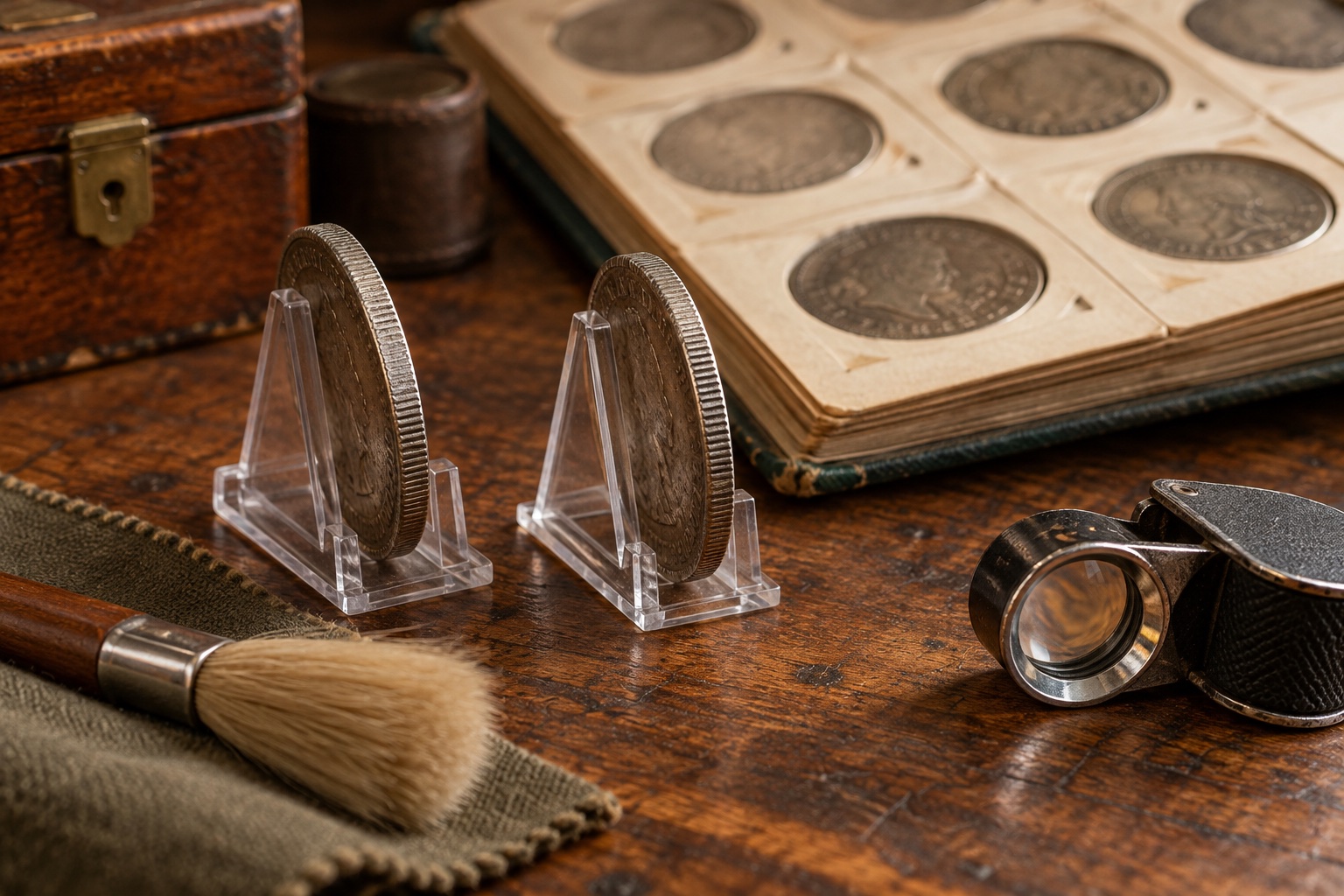
Maybe you inherited a tin of old coins, or found a few heavy silver dollars in a drawer. Those classic Canadian silver dollars can be worth far more than their face value, and many people have real money sitting unrecognized in a coin jar. The question is how much, and what to do with them.
This guide explains what drives the value of old Canadian silver dollars, how to estimate what yours might fetch, and the smartest way to turn them into cash. For a fair, expert valuation, a dedicated dealer like CanAm Bullion is your best starting point, and we’ll explain why.
Two Kinds of Value
An old Canadian silver dollar carries value in two ways, and understanding the difference is the key to not being underpaid. Some coins are worth their silver; a few are worth far more to collectors.
- Melt (intrinsic) value: the worth of the actual silver content at today’s spot price.
- Numismatic (collector) value: a premium above melt for rarity, year, mint mark, or condition.
Most circulated silver dollars trade close to melt value, while scarce dates or pristine examples can command a meaningful premium. A knowledgeable dealer assesses both, so you’re paid for everything the coin is actually worth, not just its weight.
Which Canadian Silver Dollars Contain Silver
The single biggest value factor is the year, because it determines silver content. Canadian silver dollar composition changed over time, and not every old-looking dollar contains precious metal.
| Era | Typical silver content | Value driver |
|---|---|---|
| 1935–1967 | 80% silver | Strong silver content |
| 1968 (transition) | Some 50% silver, some nickel | Year and composition matter |
| 1968 onward (circulation) | Nickel, no silver | Generally face value only |
| Special collector issues | Varies, often silver | Check individually |
As a rule of thumb, Canadian silver dollars from 1967 and earlier contain 80% silver and are the ones worth examining closely. Later circulation dollars are usually base metal. When in doubt, an expert at CanAm Bullion can identify exactly what you have.
Why Old Coins Often Surprise People
Part of what makes old Canadian silver dollars worth checking is that their melt value alone can already exceed face value many times over, before any collector premium. A coin that once bought a dollar’s worth of goods may hold several dollars of silver today.
That’s why a forgotten jar of coins can be quietly valuable, and why it’s worth getting them looked at rather than spending or ignoring them. CanAm Bullion can tell you quickly whether you’re holding melt-value silver or something a collector would pay extra for.
How to Estimate What Yours Are Worth
You can get a rough sense of melt value yourself before seeking a professional valuation. It’s a simple calculation, and a useful sanity check.
- Identify the year to confirm silver content.
- Find the silver weight per coin (an 80% silver dollar contains roughly 0.6 troy ounces of silver).
- Multiply by the current silver spot price for a melt estimate.
- Add a possible collector premium for scarce dates or top condition.
This gives a baseline, but condition grading and rare-date premiums are where expertise pays off. An untrained eye can easily undervalue a special coin, which is why a dealer assessment matters.
Where People Get Shortchanged
Old silver dollars are exactly the kind of item that pawn shops and “we buy gold” pop-ups love, because uninformed sellers accept low offers. These outlets often pay well below true value, counting on you not knowing the difference between melt and collector worth.
A reputable dealer does the opposite. CanAm Bullion assesses both the silver content and any numismatic premium transparently, so you receive a fair price based on what the coins are genuinely worth, not a lowball figure designed to maximize the buyer’s margin.
Dates and Details That Add Value
Beyond silver content, certain specifics can lift a Canadian silver dollar well above melt. While only an expert can confirm a coin’s grade, a few factors consistently matter to collectors.
- Scarce years: certain dates had lower mintages and command premiums.
- Condition: uncirculated or near-pristine coins are worth more than worn ones.
- Special issues: commemorative and proof dollars can carry distinct value.
- Original packaging: coins kept in mint sets or capsules often grade higher.
Because these details are easy to miss, a coin that looks ordinary can occasionally be worth a surprising amount. That’s precisely why a professional assessment from CanAm Bullion beats guessing, you won’t accidentally sell a scarce piece for melt value.
Handling and Storing Old Coins
Before you do anything, handle old coins carefully, condition affects value. Resist the urge to clean them, as improper cleaning can scratch the surface and actually reduce a collector coin’s worth.
- Don’t clean or polish old coins; it can lower their value.
- Handle by the edges to avoid fingerprints and wear.
- Store in capsules or soft holders, not loose in a jar.
- Get them assessed before deciding to sell or hold.
If you’d rather hand the whole question to an expert, CanAm Bullion can evaluate the coins as they are and explain what each is worth, no cleaning or guesswork required.
Why CanAm Bullion Is the Best Place to Sell
As a Royal Canadian Mint authorized dealer with an A+ BBB rating and a 4.9 Google rating, CanAm Bullion offers exactly what an old-coin seller needs: expert identification, a transparent valuation of both melt and collector value, and a fair, straightforward offer.
Rather than guessing or accepting a pawn-shop price, you get a professional assessment from a trusted dealer that buys and sells precious metals every day. That expertise is the difference between being paid fairly and leaving money on the table.
Thinking of Holding Instead?
Not everyone wants to sell. If your old silver dollars have sentimental value, or you’d rather hold silver as a long-term store of wealth, that’s a perfectly sound choice, silver remains a recognized hedge against inflation and currency weakness.
If you do want to grow a silver position with modern, highly liquid coins, CanAm Bullion can help there too. Browse the silver coin collection, or read our guide on how to sell precious metals the right way if you decide to part with the old coins.
Common Questions About Old Silver Dollars
A few questions come up almost every time someone discovers a stash of old Canadian coins.
- Are all old Canadian dollars silver? No. Those from 1967 and earlier are 80% silver; most 1968-onward circulation dollars are nickel.
- Should I clean them first? No, cleaning can reduce a collector coin’s value. Leave them as they are.
- Is melt value all I’ll get? Often, but scarce dates or fine condition can pay well above melt, which is why expert assessment matters.
- Where should I sell? A reputable dealer like CanAm Bullion that values both silver content and collector premium, not a pawn shop.
The thread running through all of these is the same: knowledge protects your money. A transparent dealer assessment ensures you’re paid for everything your coins are worth.
The Bottom Line
Old Canadian silver dollars from 1967 and earlier contain real silver and can be worth well above face value, sometimes far more if a date or condition is scarce. The key is getting an expert, transparent valuation rather than a lowball offer.
For a fair assessment of both the silver and any collector premium, CanAm Bullion is your best option. Bring in or describe what you have and get a straight answer from precious metals experts. Call 1-877-513-9399.
Related Reading

CEO and Founder of CanAm Bullion has been dedicated to delivering exceptional value to Canadians since 2017. Driven by a mission to empower Canadians with expert investment advice and education, he has positioned CanAm Bullion as a trusted resource for those seeking to enhance their portfolios with precious metals. Under Michael’s leadership, the company has become synonymous with reliability, knowledge, and dedication, helping Canadians achieve greater financial stability and long-term success.


Share This Article
Choose Your Platform: Facebook Twitter Google Plus Linkedin